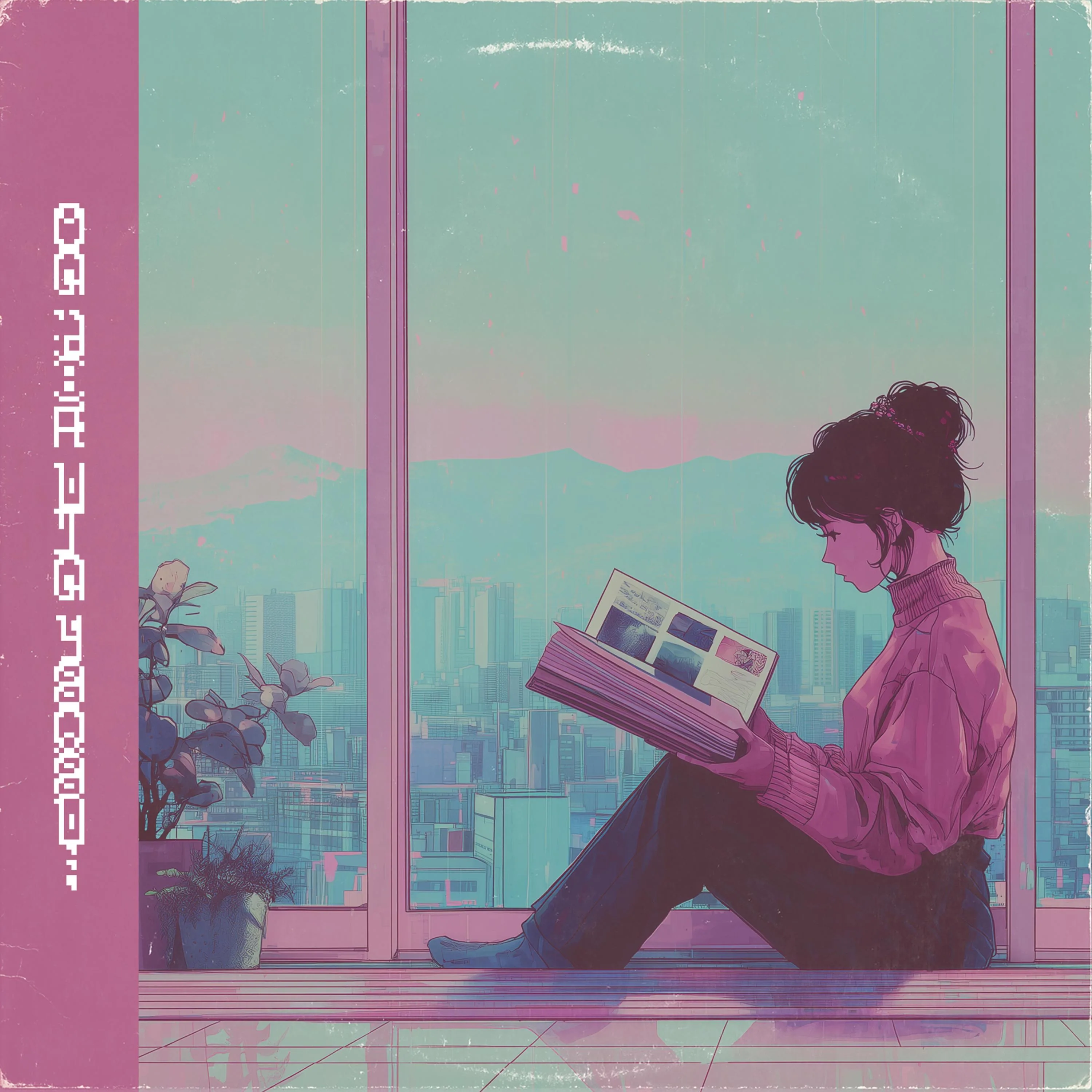
A yearbook is a strange object because it is written by people who are pretending goodbye will not change anything.
The messages are full of certainty: stay the same, never lose touch, remember that day, see you soon. At the time, those promises feel completely reasonable. Everybody still lives inside the same timetable. The same corridors keep bringing people back together.
Then school ends, the timetable disappears, and friendship has to survive without accidental proximity.
Yearbook is about that shift. The original Wave 2 song looks at signatures, memories and the slow realisation that people can matter deeply to one another and still drift apart. Yearbook (After School Version) moves the story into the quiet after the final bell, when the building is still familiar but everybody has started leaving.
What does Yearbook mean?
The yearbook represents a frozen version of a social world. Every photograph and handwritten message insists that these people existed together at one particular moment. It cannot show what happens next.
That gap gives the object its emotional weight. A page may contain somebody you once saw every day and have not spoken to for years. The closeness was real. The distance is real too. Neither cancels the other.
The song is not accusing anyone of failing. Most school friendships do not end through dramatic betrayal. They fade through changing routines, new cities, jobs, relationships and the quiet difficulty of coordinating adult life. There may be no final argument—only a last ordinary conversation nobody recognised as the last.
Why the After School Version?
“After school” can mean the hours immediately following a normal day, but it can also mean the whole life that begins once school is over. The version title holds both meanings at once.
There is the empty-corridor image: lockers closed, chairs stacked, sunlight changing through classroom windows. Then there is the longer view, where years have passed and the people in the photographs have become adults with separate lives.
The After School Version gives the song a more intimate frame. The original carries the memory forward with the energy of Wave 2. This version stays behind. It lets the unanswered questions sit in the room: Did we mean what we wrote? When did we stop calling? Would we still recognise each other now?
The official shorts around the release capture that reflective angle. Remember your class? opens the door through shared memory, while Some memories sound different after dark and I guess people drift apart move toward the feeling underneath it.
The promises people write at the end
Yearbook messages are often repetitive because there are only so many ways to write against time. “Never change” really means: I like who you are now and I am frightened that the world will take this version of us away.
“Keep in touch” means: our friendship currently happens automatically, and I hope we will know how to rebuild it deliberately. “Remember when” turns a shared event into a code that only the people on the page can fully translate.
Those messages are not false simply because life later disobeys them. They are honest records of how permanent the present felt. The sadness comes from reading them with knowledge the writers did not yet have.
Why drifting apart can still be a love story
Popular songs often treat relationships as either successful forever or broken completely. Friendship rarely fits that structure. Somebody can leave your daily life without becoming unimportant.
Yearbook allows for that middle ground. It is possible to miss a friendship without demanding its return. It is possible to be grateful for a period that could not last. The object becomes proof that the connection existed, even if it now survives mainly as handwriting and memory.
That interpretation makes the song gentler. The point is not to hunt down every person from the past or force an old dynamic into the present. It is to acknowledge that people help form us during seasons they may never see beyond.
Sometimes reconnecting is wonderful. Sometimes the most honest response is simply gratitude. The song leaves both possibilities open, because a yearbook contains beginnings and endings without explaining which relationships will eventually become which.
From the original to the Echoes version
Play the original Yearbook first and it feels like memory moving through a bright album. Follow it with the After School Version and the same story feels more private, as if the book has been reopened alone.
That is the purpose of Wave 2: Echoes: not to replace the first emotional reading, but to reveal the one waiting behind it.
Listen to Wave 2: Echoes, explore more official stories through the ME & The Robots blog, or browse the full music catalogue. To keep up with new releases and unlock a free track, join the signal.